Pavilion ResourcesWATERTalk to us

Pavilion Water · Pavilion Resources

Water deserves
a second life.

Turning challenging water streams into opportunities for reuse and resource recovery.

Produced water. Industrial water. Concentrated brines.
Practical solutions shaped around the site and the water it needs.

Explore our water solutions
Understand the water.Recover its value.
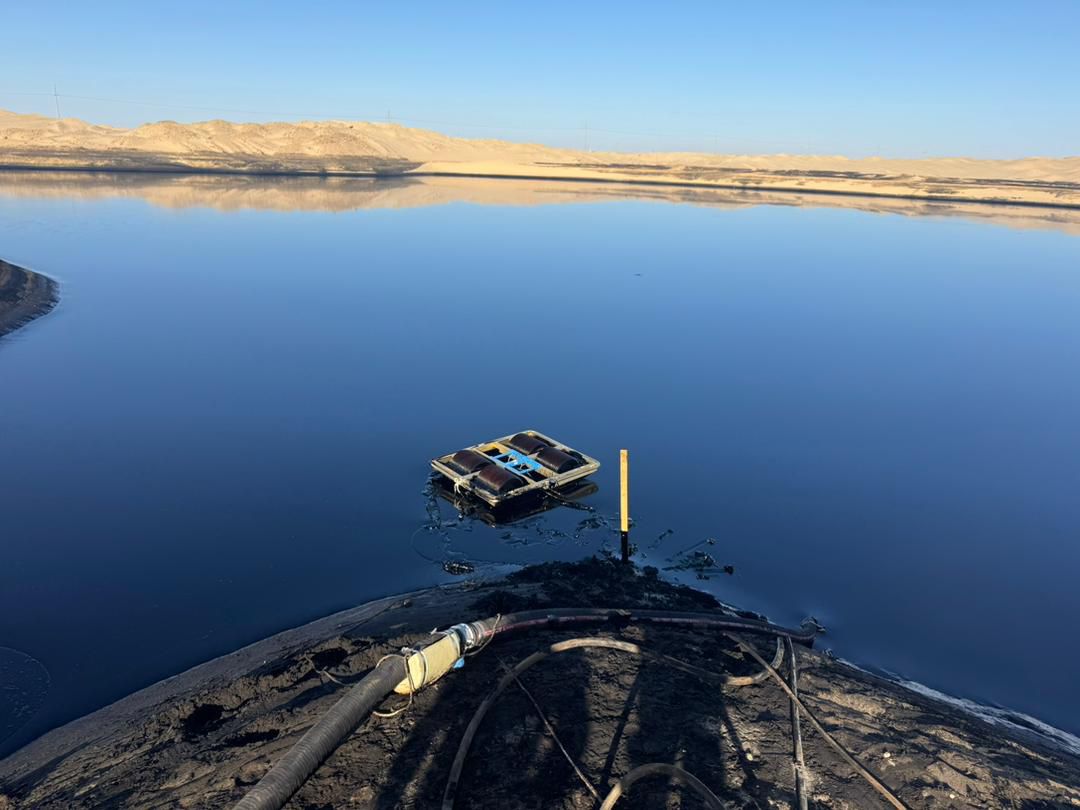
Recovery equipment beside an oil-bearing pond at the Messla project in Libya
Resource recovery in the fieldMessla, Libya
Produced-water treatmentFit-for-purpose reuseBrine managementSalt recovery

The water opportunity

A valuable resource.
A complex challenge.

Water produced alongside oil can contain hydrocarbons, suspended solids and high concentrations of dissolved salts.

Pavilion Water brings the water side of Pavilion’s resource-recovery work into focus. Our approach connects separation, treatment and responsible management with a clear destination for each recovered stream.

The starting point is simple: understand the feed, define the required water quality, and design around a real use.

Our water solutions

From a difficult stream
to a defined purpose.

Treatment is selected around water chemistry,
site conditions and the intended end use.

01 / SEPARATE

Produced-water
treatment

Recover entrained oil and remove suspended material to prepare water for its next treatment stage.

What shapes the process?
Oil content, emulsion stability, solids, temperature and flow determine the separation sequence. Sampling guides the choice of physical separation, filtration and further treatment.
02 / REUSE

Water for
industrial use

Match treated water to suitable uses, including process washing and other field applications.

How is reuse assessed?
Each application has its own limits for salinity, residual oil, solids and other constituents. Reuse requires testing against the receiving process specification; suitability is established for each site.
03 / MANAGE

Brine &
salinity management

Plan for concentrated salts and residual streams as an integral part of the water treatment system.

What happens to the brine?
Feed chemistry, energy, land availability and water demand guide the evaluation of treatment, controlled evaporation and contained residual management. The selected route must account for the full water and salt balance.
04 / RECOVER

Salt &
mineral recovery

Explore whether saline residues can become useful products through controlled recovery and conditioning.

What makes recovery viable?
Crystallisation, washing and handling are assessed alongside composition, contaminants, customer specifications and transport costs. A recovered salt is a potential product only when its quality and market are established.

The treatment pathway

Follow the water.

Explore the decisions that connect the incoming
stream to a suitable recovery route.

First, understand the stream

Good design begins
with measured conditions.

Establish the volume, salinity, oil content, solids and variability of the incoming water. Assess storage, utilities, climate and local demand before selecting a treatment route.

  • Representative sampling and laboratory analysis
  • Daily and seasonal water balance
  • End-use quality requirements

OutcomeA site-specific basis for treatment.

Libya · Sirte Basin

One project.
Connected resources.

Oil recovery and water management belong in the same conversation.

At Messla, Pavilion’s resource-recovery work processes oil-bearing material from existing ponds through skimming, heating and staged separation.

The water opportunity extends that approach: characterising the separated water, assessing appropriate treatment and reuse, and planning for the salts and residues that remain.

Explore Pavilion Renewables
IN THE FIELD

Recovery at Messla

Existing oil-recovery operations provide practical context for the wider resource-recovery programme.

WATER DEVELOPMENT

A pathway to reuse

Water treatment and reuse options are developed against site data and application requirements. They are not presented as commissioned water-reuse capacity.

A SHARED APPROACH

Oil. Water. Salt.

Consider each stream together so that recovering one resource does not leave another without a management route.

A clear approach

The questions
that matter.

Can produced water replace fresh water?

Potentially, where treatment can meet the requirements of a defined industrial use. The opportunity depends on water chemistry, required quality, volume and distance to the user. The site and application must be assessed together.

Is all recovered water suitable for irrigation or drinking?

No. Removing oil does not remove all dissolved salts or other constituents. Drinking-water or irrigation use would require its own treatment design, testing and approvals. Pavilion’s water approach begins with specified industrial applications.

Why consider salt recovery?

Salts remain part of the material balance even when water is recovered or evaporated. Recovery may offer a useful outlet, but product testing, contaminant control, market demand and logistics determine whether that route is viable.

How does Pavilion Water relate to Pavilion Renewables?

This website focuses on the water aspects of Pavilion’s resource-recovery work under the Pavilion Resources identity. The Pavilion Renewables website presents the broader oil, water, mineral and energy recovery programme.

Let’s start with your water

What could your
water become?

Tell us about your stream, your site and the use you have in mind.